Which Essential Oils Are Actually Safe to Diffuse Around Pets
Diffusing a favorite calming blend without checking whether pets can safely breathe it is a common and understandable oversight — cats in particular process certain oil compounds very differently from humans, and a lovely-smelling room can quietly become a hazard. Here is why some oils pose real risk, which are generally considered safer, and the diffusing habits that protect pets no matter which oil you choose.
Why Some Common Oils Pose Real Risk
The biological reason: the the-cat-liver-enzyme-gap (the cats lacking a specific liver enzyme that helps other animals process certain aromatic compounds, making them far more sensitive — the cats-metabolize-differently-not-just-smaller), the the-concentrated-compound-exposure (the diffused oil particles being inhaled continuously and settling on fur that pets then groom and ingest — the double-exposure-route), the the-common-risky-oils-for-cats (the tea tree, citrus, eucalyptus, pine and wintergreen oils being frequently flagged as risky specifically for cats — the check-before-diffusing-around-cats), the the-dogs-are-more-tolerant-but-not-immune (the dogs generally handling more oil types than cats but still able to react to strong or prolonged exposure — the more-tolerant-isn’t-the-same-as-safe), the the-symptoms-can-be-subtle-at-first (the lethargy, drooling or respiratory irritation sometimes appearing gradually rather than as an obvious dramatic reaction — the watch-for-subtle-changes), and the reframe (the pet risk as a real biological difference in how certain species process aromatic compounds, not an overcautious myth — the room smelling nice to you says nothing about what a pet’s body is doing with it).
The Oils Generally Considered Safer
What tends to be lower-risk when used properly: the lavender-in-moderation (the lavender being among the more commonly tolerated oils for both cats and dogs in a well-ventilated space, though never risk-free — the relatively-better-tolerated-not-guaranteed-safe), the the-frankincense-consideration (the frankincense appearing on several veterinary-referenced lower-risk lists for diffuser use — the another-relatively-safer-option), the the-chamomile-mild-profile (the chamomile’s generally mild aromatic profile making it a frequently cited gentler choice — the milder-tends-to-mean-lower-risk), the the-always-check-current-vet-guidance (the essential oil safety information evolving, making a quick check with your vet or a current veterinary source worthwhile before any specific oil — the don’t-rely-on-old-lists), the the-single-oil-vs-blend-consideration (the single, known oils being easier to assess for pet safety than complex proprietary blends with undisclosed ratios — the know-what’s-actually-in-it), and the frame (the relatively safer picks as lavender, frankincense and chamomile in moderation, with a vet check before trusting any specific claim — ‘generally safer’ still means used carefully, not used freely).
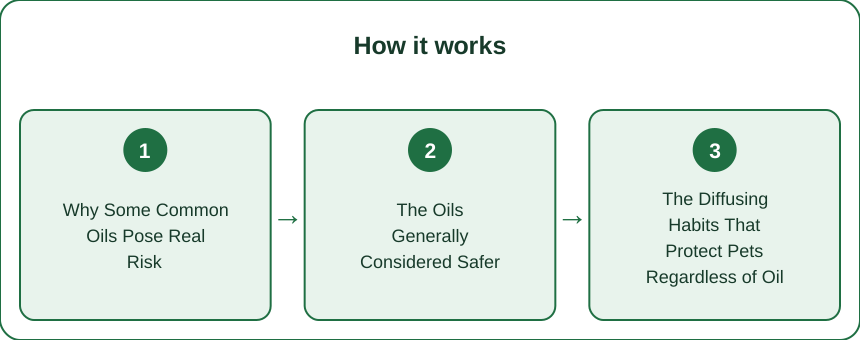
The Diffusing Habits That Protect Pets Regardless of Oil
Universal precautions: the ventilate-the-room (the ensuring good airflow and an easy exit for the pet from the diffusing space at all times — the pet-should-always-be-able-to-leave), the the-diffuse-in-short-intervals (the running the diffuser intermittently rather than continuously for hours — the intermittent-lowers-total-exposure), the the-keep-pets-in-a-separate-room-option (the diffusing in a room the pet doesn’t have to occupy, especially for cats — the separate-space-removes-the-guesswork), the the-watch-for-any-behavior-change (the observing for sneezing, drooling, unusual lethargy or avoidance behavior after introducing a new oil — the the-pet-will-often-signal-discomfort), the the-never-apply-oils-directly-to-pets (the topical or ingested essential oil use on pets being a separate and generally higher-risk category entirely, not addressed by diffusing precautions — the diffusing-and-applying-are-different-risks), and the frame (the universal protections as ventilation, intermittent use, separate-room options, watching for behavior changes, and never applying oils directly to pets — the room can still smell nice, just diffused with the pet’s biology in mind, not just yours. This is general information, not veterinary advice.)
Cats in particular lack a liver enzyme that helps process certain aromatic compounds, making common oils like tea tree, citrus, eucalyptus and pine genuinely riskier for them than for humans or even dogs, especially since diffused particles settle on fur that pets then groom and ingest. Lavender, frankincense and chamomile are generally considered relatively lower-risk when used in moderation, though ‘safer’ still means used carefully rather than freely, and current veterinary guidance is worth checking before trusting any specific claim. Regardless of which oil is used, ventilate the room well, diffuse in short intervals rather than continuously, give pets an easy way to leave the space, and watch for sneezing, drooling or unusual lethargy after introducing anything new. This is general information, not veterinary advice.
Keep Reading
This article is for general informational purposes only and is not medical advice. Always consult a qualified health professional for guidance specific to you.