5 Scent Blends for the Late-Summer Transition Weeks
Quick Answer: The late-summer transition calls for blends that bridge bright citrus and warmer woods - citrus alone reads as summer, and heavy spice arrives too early. Five blends cover the main moments of these weeks: the earlier morning, the study or work reset, the still-warm afternoon, the wind-down, and the first genuinely cool evening.
Late August sits between two scent seasons. These five blends live in that gap deliberately.
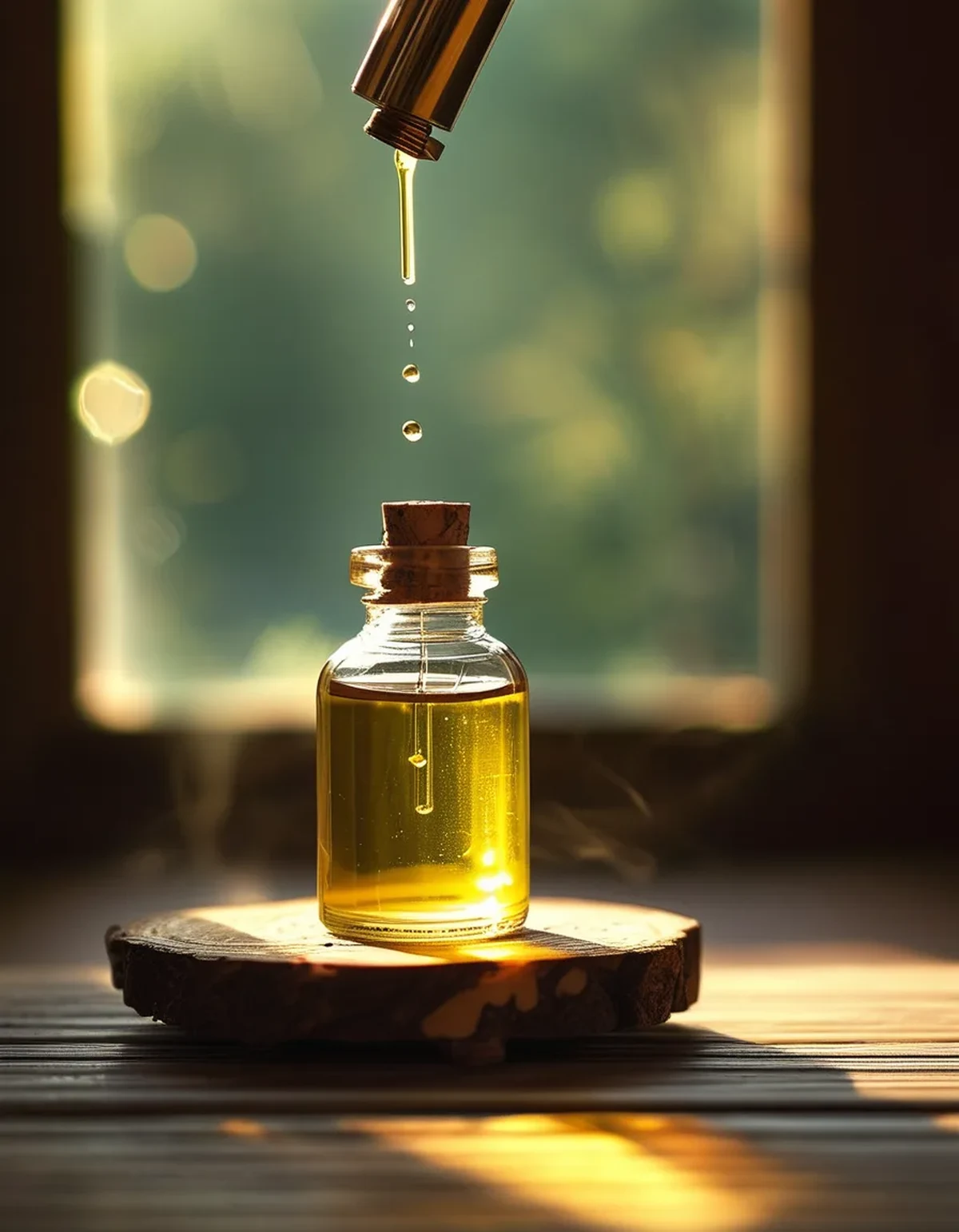
Blend 1: The earlier morning - Grapefruit, Rosemary, Peppermint
The blend: 3 drops grapefruit, 2 drops rosemary, 1 drop peppermint in a diffuser.
The transition back to earlier wake times is the hardest part of these weeks, and this blend is built for the first thirty minutes of being awake.
Why these three together: grapefruit gives the bright citrus top note without the sharpness of lemon, rosemary is traditionally used in the morning slot and carries a green, herbaceous middle that keeps the blend from reading as purely fruity, and a single drop of peppermint adds a cool lift. One drop of peppermint - not two. It dominates any blend it’s in, and this is the most common error people make with it.
How to use it: run the diffuser for 20-30 minutes while you get ready, ideally in the room you’re actually in rather than the one you’re heading to. Pair it with opening the curtains - morning light does considerably more for shifting a wake time than any scent will, and the blend works best as a cue attached to that.
Substitution: if you don’t have grapefruit, sweet orange works and is gentler. If rosemary is too medicinal for you, try a drop of eucalyptus instead - it changes the character but keeps the lift.
Safety note: citrus oils can increase skin photosensitivity, which matters for topical use rather than diffusing. Keep this one in the diffuser.
Blend 2: The desk reset - Lemon, Cypress, Frankincense
The blend: 3 drops lemon, 2 drops cypress, 2 drops frankincense.
This is the blend for the back-to-work and back-to-study weeks, when the schedule tightens and the focus hasn’t caught up yet.
Why it works as a transitional blend specifically: lemon is unambiguously summer, cypress brings a clean green-woody note that reads as autumn, and frankincense sits underneath as a grounding base. The combination bridges the two seasons rather than committing to either, which is exactly what these weeks feel like.
How to use it: a diffuser at the desk for the first hour of focused work, then off. Continuous all-day diffusing produces olfactory adaptation - you stop noticing the scent entirely within about twenty minutes - so intermittent use is both more effective and more economical.
A practical alternative: a personal inhaler or a drop on a cotton pad in a small tin, if you work somewhere a diffuser isn’t appropriate. This is genuinely useful in shared offices where scent preferences differ, and shared-space courtesy matters more than most aromatherapy writing acknowledges.
Cost note: frankincense is the expensive component here. The blend works with 1 drop rather than 2, and it still does its job.
Blend 3: The warm afternoon - Bergamot, Geranium, Lavender
The blend: 3 drops bergamot, 2 drops geranium, 2 drops lavender.
Late summer afternoons are still hot, and the 3pm stretch is where irritability and fatigue both peak.
Why this combination: bergamot is a citrus with a floral edge that doesn’t read as aggressively bright, geranium brings a rosy green middle that pairs unusually well with it, and lavender softens the whole thing. Together they land somewhere between refreshing and calming rather than pushing hard in either direction.
How to use it: diffuse for 20 minutes during the afternoon dip, or use it as a room spray - 10 drops total in 100ml of water with a small splash of witch hazel or vodka as a dispersant, shaken before each use. The spray version suits hot afternoons because the fine mist itself feels cooling.
The honest caveat: if your 3pm slump is dehydration or a poor night’s sleep, a blend won’t fix it. Drink 300ml of water and stand up for five minutes first, and use the scent as the pleasant part of a break that’s actually addressing the cause.
Substitution: if geranium is too floral, try 2 drops of clary sage instead for a more herbaceous version of the same idea.
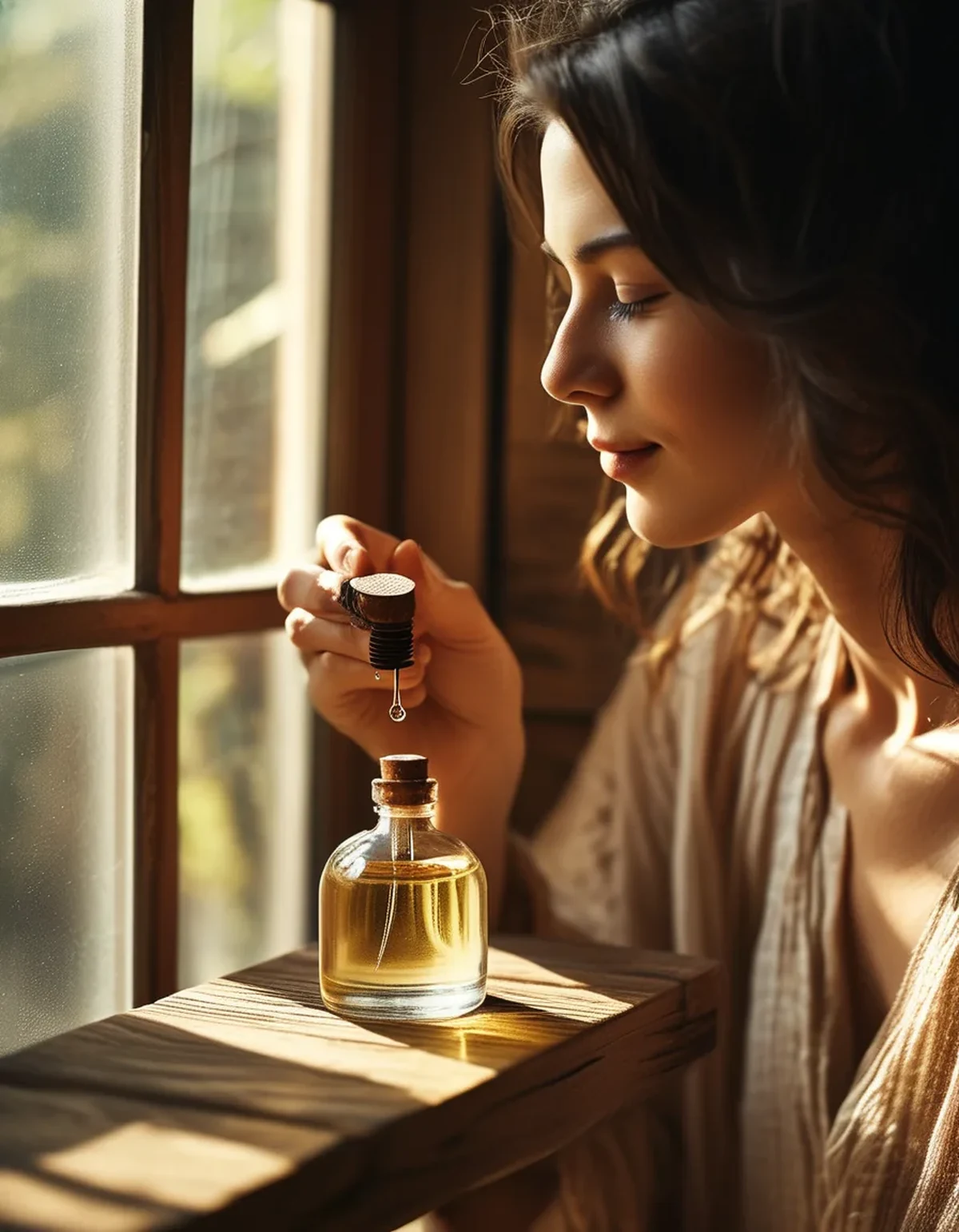
Blend 4: The wind-down - Lavender, Cedarwood, Sweet Orange
The blend: 3 drops lavender, 2 drops cedarwood, 2 drops sweet orange.
The evening blend, and the one most people will use most often.
Why cedarwood is the key ingredient here: it’s the warmest note in the list and it’s what makes this blend belong to late summer rather than mid-summer. Lavender and orange alone would be a summer evening; cedarwood underneath turns it toward autumn without going anywhere near cinnamon or clove.
How to use it: diffuse for 30-45 minutes starting an hour before bed, then turn it off. Diffusing all night is unnecessary - you adapt to the scent quickly and stop perceiving it, and there’s no reason to run a device unattended overnight.
Pair it with the mechanical fixes that matter more. Late summer bedrooms are still warm, and core temperature needs to drop to initiate deep sleep. A cool room, a fan, and lighter bedding will do more for your sleep than any blend. Scent works well as a consistent cue that the wind-down has started - that’s a real and useful function, and it’s a different claim from the scent itself causing sleep.
Safety note: lavender is widely used and generally well tolerated, but essential oils around babies, young children, pregnancy, and pets need specific caution - some oils are genuinely unsafe for cats in particular. Check before diffusing in a shared space, and this is general information, not medical advice.
Blend 5: The first cool evening - Cedarwood, Vetiver, Bergamot
The blend: 3 drops cedarwood, 1 drop vetiver, 3 drops bergamot.
Save this one for the first evening that genuinely feels like autumn - usually somewhere in early September, and you’ll know it when it arrives.
Why it’s held back: vetiver is deep, earthy, and heavy. Used in July it feels wrong and slightly oppressive. Used on the first cool evening it feels exactly right, and that timing is most of what makes a blend land. One drop only - vetiver is one of the most tenacious oils there is and it will take over a blend and a room.
Bergamot keeps it from going too heavy, which is the risk with any cedarwood and vetiver combination. The citrus lifts the top and stops the whole thing reading as a winter blend two months early.
How to use it: diffuse in the evening in a living space rather than a bedroom - it’s a warm, sitting-room scent rather than a sleep one. It also works well in a small tin of solid balm, though topical use needs proper dilution in a carrier oil, typically around 1-2% for adults, and a patch test first.
Storage note for all five blends: essential oils degrade with light, heat, and oxygen. Dark glass bottles, tightly closed, somewhere cool. Citrus oils have the shortest life - often around a year - and oxidised citrus is more likely to cause skin irritation, so replace them rather than pushing them.
And the general safety frame: essential oils are concentrated. Never ingest them without qualified guidance, always dilute for skin, keep them away from children and pets, and check specific oils if you’re pregnant, breastfeeding, or managing a medical condition.
FAQ: Late-Summer Blend Questions, Answered
How many drops total should go in a diffuser?
Most home diffusers work well with 5-8 drops total. More isn’t better - it’s just stronger, and it accelerates olfactory adaptation.
Why do I stop smelling the blend after twenty minutes?
Olfactory adaptation. Your nose downregulates response to a constant stimulus quickly. Intermittent diffusing - 20-30 minutes on, then off - keeps the effect noticeable.
Can I make these into roller bottles?
Yes, with proper dilution in a carrier oil - commonly around 1-2% for adults, which is roughly 6-12 drops per 30ml. Skip the citrus-heavy blends for daytime skin use because of photosensitivity.
How long do blended oils keep?
Blend small amounts as you need them. Once mixed, the shortest-lived oil in the blend sets the timeline, which for citrus is often under a year.
TL;DR:
- Transitional blends bridge citrus and wood; pure citrus reads summer, spice arrives too early
- Morning: grapefruit, rosemary, one drop of peppermint - never two
- Desk: lemon, cypress, frankincense, used intermittently rather than all day
- Evening: lavender, cedarwood, sweet orange - cedarwood is what makes it late summer
- Hold vetiver back for the first genuinely cool evening, and use one drop
- Dark glass, cool storage, replace citrus oils yearly
The blends aren’t doing the season. They’re marking it - which is most of the point.
Keep Reading
This article is for general informational purposes only and is not medical advice. Always consult a qualified health professional for guidance specific to you.