3 Storage Mistakes That Quietly Ruin Your Essential Oils Before You Notice
Quick Answer: Essential oils lose potency fastest from light exposure, heat, and air contact — store bottles in a cool, dark place with caps tightly closed, and most oils will maintain quality for 1-3 years instead of degrading within months.
Your favorite blend smells noticeably weaker than when you bought it, and you’ve started wondering if you got a bad batch. More often, it’s not the oil — it’s where and how it’s been sitting for the past few months.
Why does light exposure matter so much?
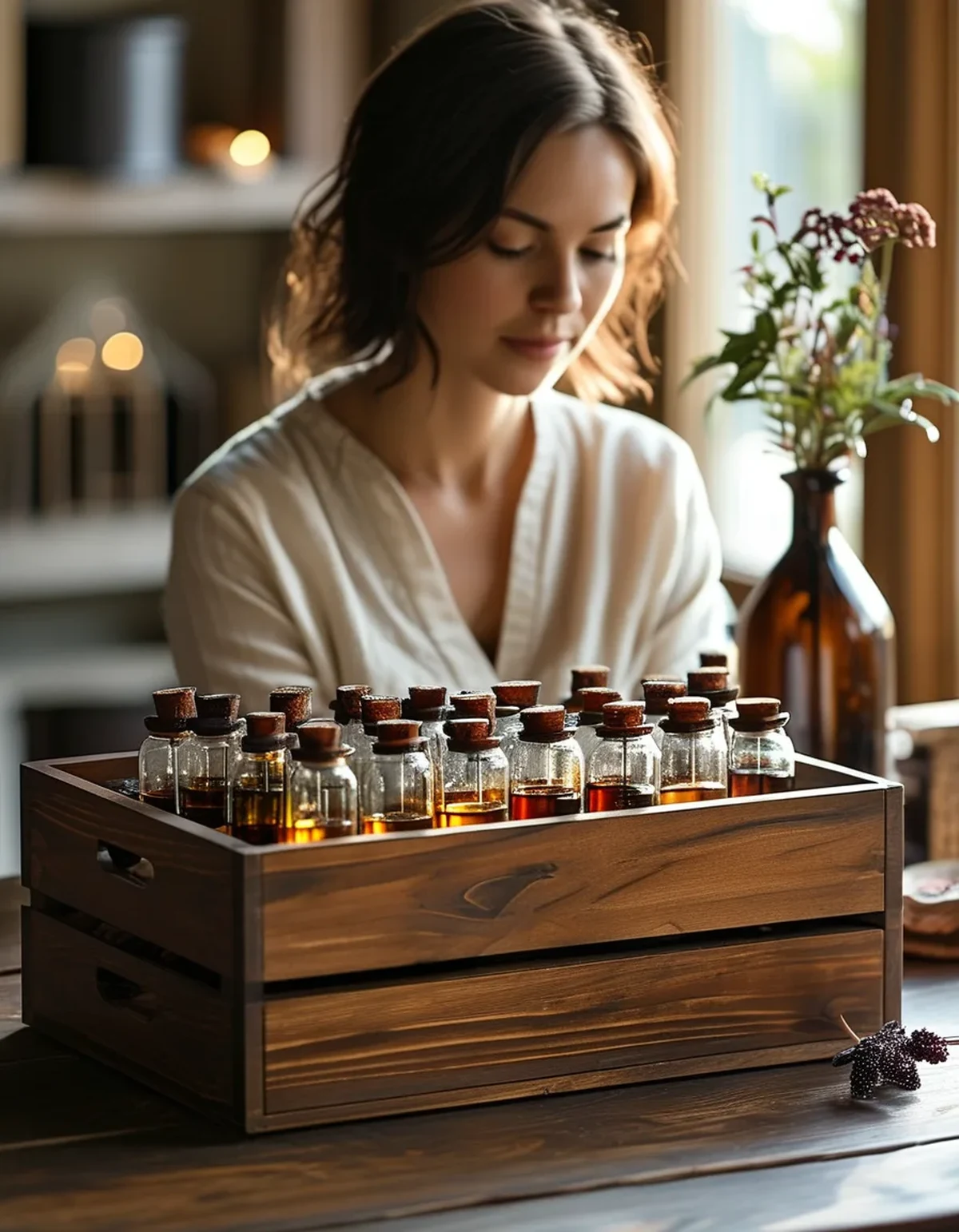
Essential oils contain compounds that are chemically sensitive to UV light, which breaks down their aromatic and therapeutic compounds over time. Clear glass bottles left on an open shelf near a window degrade noticeably faster than the same oil kept in dark amber or cobalt glass away from light.
Even indirect sunlight through a window adds up over weeks — a display shelf that looks nice is often the worst storage spot in the house.
How much does temperature actually affect oils?
Heat speeds up the same chemical breakdown that light causes, so oils stored near a stove, in a bathroom with hot showers, or in a car glovebox degrade faster than oils kept in a stable, cool spot. A closet or drawer away from appliances is far better than a kitchen counter or bathroom shelf, even though those are the most convenient spots to grab from.
Temperature swings (hot during the day, cool at night) are worse than a consistently moderate temperature, since the oil expands and contracts repeatedly.
5 Mistakes Everyone Makes Storing Essential Oils
1. Leaving caps loosely closed. Air exposure oxidizes oils over time — a tight seal after every use matters more than people think.
2. Storing on a sunny windowsill for display. Beautiful, but essentially the worst storage spot for potency.
3. Keeping oils in the bathroom. Steam and heat from showers accelerate degradation faster than almost any other common storage spot.
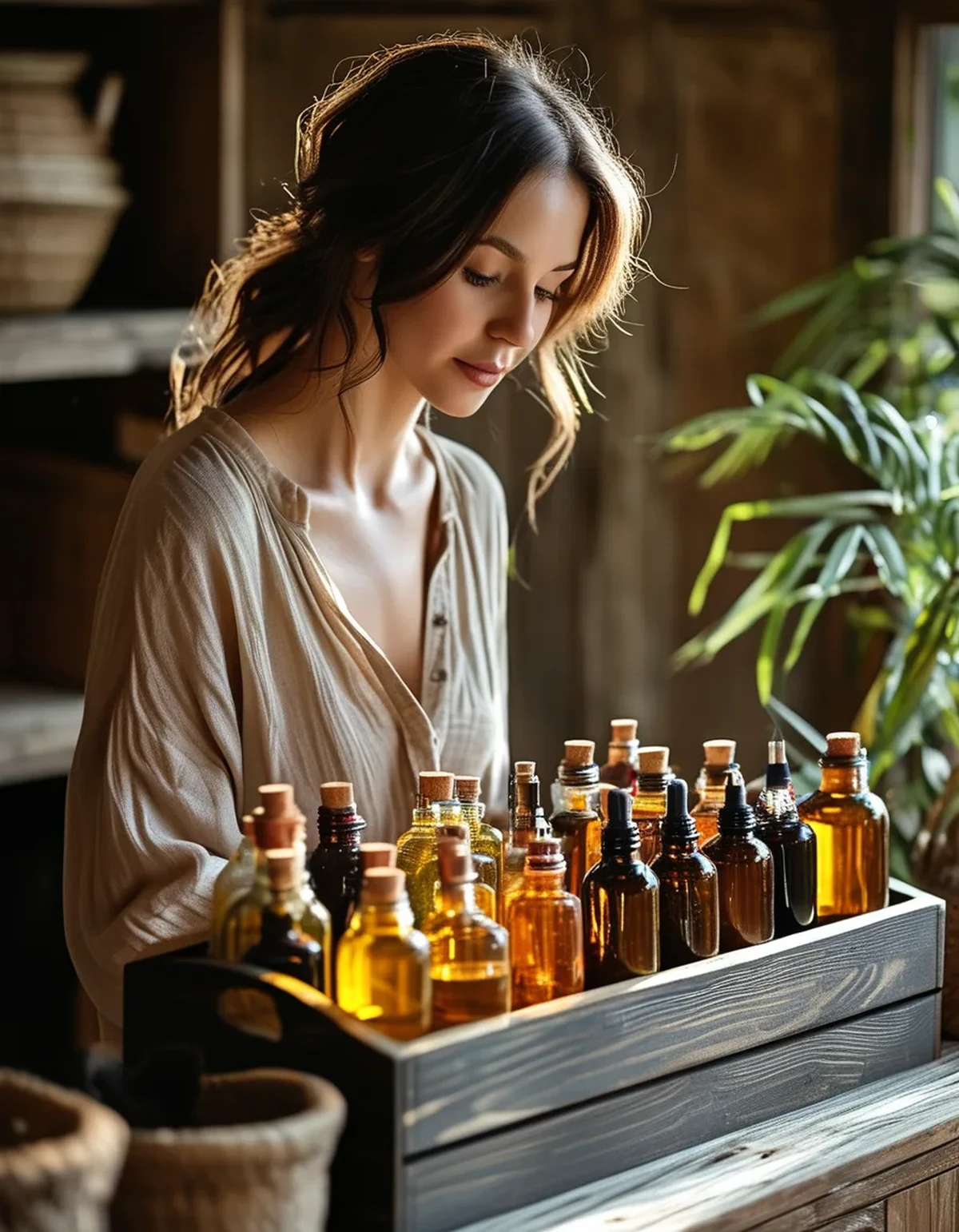
4. Using clear glass or plastic bottles for long-term storage. Fine for short-term use, but dark glass is worth transferring into for oils you’re keeping long-term.
5. Buying more than you’ll use in a year. Citrus oils especially degrade faster (often within 1 year) than woodsy or floral oils (which can last 2-3+ years) — buy citrus oils in smaller quantities.
How can you tell if an oil has actually gone bad?
A noticeably weaker or slightly ‘off’ or sour scent compared to when it was fresh is the clearest sign. Citrus oils in particular develop a faint plastic-like or dull smell when oxidized — if a blend that used to smell bright now smells flat, it’s likely past its best potency window.
FAQ: Essential Oil Storage Questions, Answered
Do essential oils actually expire, or just lose potency?
Most don’t ‘expire’ in a spoiled sense, but they gradually lose aromatic potency and some of their beneficial compound concentration — they become less effective rather than unsafe.
Should essential oils be refrigerated?
Not necessary for most oils; a cool, stable room-temperature spot away from light works fine. Refrigeration can help extend life for oils you use very rarely.
How long do unopened essential oils last?
Unopened, properly stored oils can last 2-5 years depending on the oil type; opened bottles are more exposed to air each use, shortening that window somewhat.
TL;DR:
- Light and heat are the two biggest causes of oils losing potency early
- Store in dark glass, away from windows, stoves, and bathrooms
- Keep caps tightly closed between uses to limit air exposure
- Citrus oils degrade faster (about 1 year) than woodsy or floral oils (2-3+ years)
A better storage spot costs nothing and can double how long your favorite blends actually last.
Keep Reading
This article is for general informational purposes only and is not medical advice. Always consult a qualified health professional for guidance specific to you.